
We wanted to title this article "The Unintended Consequences of Social Emotional Learning Programs: How Minecraft Can Be a Better Solution for Kids' Mental Health". But that's quite a mouthful, and "Minecraft vs Social Emotional Learning" seems to capture the true essence of the issue.
Social Emotional Learning (SEL) programs have become a cornerstone of modern education, touted as essential for fostering emotional intelligence, empathy, and better interpersonal relationships among students. These programs aim to equip children with the skills they need to navigate the complexities of social interactions and emotional challenges. However, despite their good intentions, SEL programs may sometimes do more harm than good, inadvertently exacerbating the very issues they seek to address.
This article explores the unintended consequences of SEL programs, particularly their impact on children's mental health. We will also examine how playing Minecraft with friends—a seemingly simple and enjoyable activity—can be a more effective way to nurture social and emotional development in children.
Key Takeaways
- SEL Programs' Unintended Consequences: While well-intentioned, SEL programs can sometimes exacerbate anxiety, stress, and feelings of inadequacy in children due to overemphasis on emotional regulation, forced socialization, and a one-size-fits-all approach.
- Minecraft as a Better Alternative: Minecraft provides a natural, voluntary, and enjoyable environment where children can organically develop social and emotional skills through collaboration, creative expression, empathy, and problem-solving.
- Flexibility and Individualization: Unlike the standardized SEL programs, Minecraft allows for individualized learning and emotional expression, catering to the diverse needs of children and fostering a sense of belonging and self-acceptance.
- Reducing Pressure: By framing social and emotional learning as part of a fun activity, Minecraft reduces the pressure and stress that often accompany formal SEL programs, leading to more positive outcomes for children's mental health.
The Rise of Social Emotional Learning in Schools
SEL programs have gained widespread popularity in public schools across the United States. These programs are designed to teach children how to recognize and manage their emotions, set and achieve positive goals, demonstrate empathy for others, establish and maintain positive relationships, and make responsible decisions. The idea is that by integrating these skills into the curriculum, students will be better prepared to handle the social and emotional challenges they encounter in life.
The five core competencies of SEL—self-awareness, self-management, social awareness, relationship skills, and responsible decision-making—are taught through various activities, lessons, and discussions. In theory, these competencies should help students develop resilience, reduce instances of bullying, improve academic performance, and decrease behavioral problems.
The Dark Side of SEL Programs
While the goals of SEL programs are commendable, their implementation has not been without problems. In some cases, these programs have unintentionally contributed to increased anxiety, stress, and other mental health issues among students. There are several reasons why this happens:
Overemphasis on Emotional Regulation:
SEL programs often place a strong emphasis on emotional regulation, teaching students to control their emotions in various situations. While emotional regulation is an important skill, the constant focus on managing emotions can create a sense of pressure and inadequacy in children. They may feel as though they are expected to be in control of their emotions at all times, leading to increased stress and anxiety when they struggle to meet these expectations.
Forced Socialization:
SEL programs frequently involve group activities and discussions that require students to share their feelings and experiences with their peers. For some children, particularly those who are introverted or socially anxious, this forced socialization can be overwhelming and counterproductive. Instead of feeling supported, these students may feel exposed and vulnerable, which can exacerbate their anxiety and lead to social withdrawal.
Standardization of Emotions:
SEL programs often operate under the assumption that all students experience and express emotions in similar ways. This standardization of emotions fails to account for the diverse range of emotional experiences among children. As a result, students who do not conform to the expected emotional norms may feel isolated or misunderstood, which can negatively impact their self-esteem and mental well-being.
Lack of Individualization:
One of the biggest challenges with SEL programs is their lack of individualization. Every child is unique, with their own emotional needs, strengths, and challenges. However, SEL programs often take a one-size-fits-all approach, which can leave some students feeling unsupported or even alienated. Children who need more personalized support may not receive it, leading to frustration and a sense of inadequacy.
Increased Focus on Emotional Problems:
By constantly focusing on emotions and social interactions, SEL programs may inadvertently reinforce the idea that students have emotional problems that need to be fixed. This increased focus on emotional issues can create a negative self-fulfilling prophecy, where students become more preoccupied with their emotional struggles, leading to heightened anxiety and stress.
The Role of Minecraft in Promoting Social and Emotional Development
While SEL programs have their flaws, this does not mean that social and emotional development should be ignored. On the contrary, fostering these skills is crucial for children's overall well-being. However, there may be more effective and less intrusive ways to achieve these goals—ways that align more naturally with children's interests and experiences.
One such method is through playing Minecraft with friends. Minecraft, a popular sandbox video game, offers a unique and engaging environment for children to develop social and emotional skills in a more organic and less pressured way.
Collaboration and Teamwork:
In Minecraft, players often work together to build structures, gather resources, and explore virtual worlds. This collaboration requires communication, cooperation, and problem-solving—skills that are central to social and emotional development. Unlike the forced group activities in SEL programs, Minecraft allows children to collaborate in a way that feels natural and enjoyable. The game's open-ended nature encourages players to work together towards common goals, fostering a sense of camaraderie and mutual support.
Creative Expression:
Minecraft's creative mode allows players to express themselves through building and designing their own worlds. This form of creative expression can be a powerful outlet for emotions, providing children with a safe space to explore and process their feelings. Unlike the standardized approach of SEL programs, Minecraft allows for individualized emotional expression, helping children to develop a stronger sense of self-awareness and self-acceptance.
Empathy and Perspective-Taking:
In multiplayer Minecraft sessions, players often encounter situations where they must consider the perspectives and feelings of others. For example, when working on a shared project, players need to respect each other's ideas and preferences. This experience of empathy and perspective-taking is crucial for developing strong social relationships. Unlike the scripted scenarios in SEL programs, these interactions in Minecraft are spontaneous and genuine, making them more impactful and meaningful.
Resilience and Problem-Solving:
Minecraft's survival mode presents players with various challenges and obstacles, such as hostile creatures, limited resources, and environmental hazards. Overcoming these challenges requires resilience, perseverance, and strategic thinking. These experiences can help children develop a growth mindset, where they learn to view setbacks as opportunities for learning and growth. This resilience is a key component of emotional well-being and can help children cope with stress and adversity in the real world.
Social Connection and Belonging:
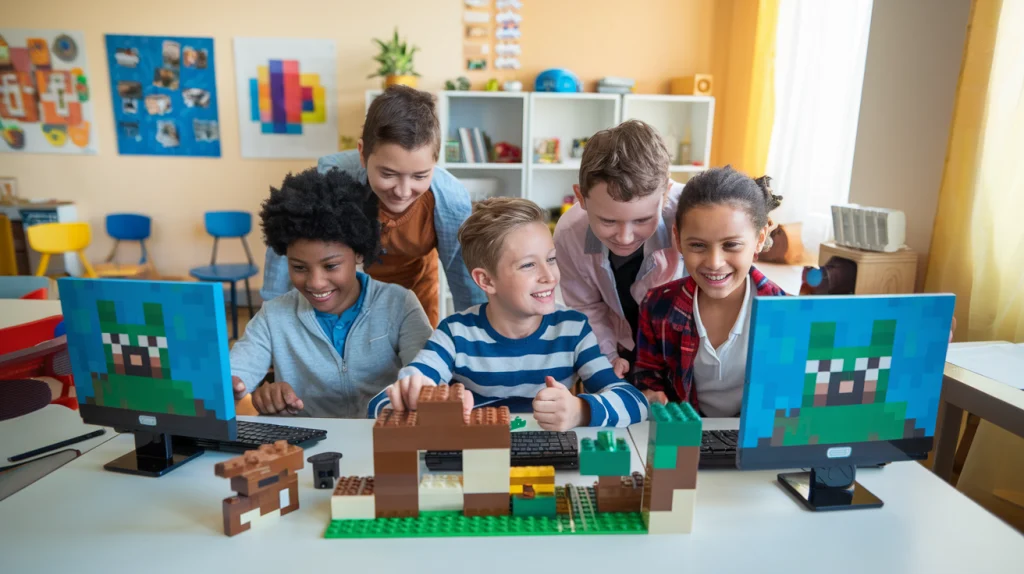
For many children, playing Minecraft with friends provides a sense of social connection and belonging. The shared experiences and adventures in the game can strengthen friendships and create a supportive peer network. This sense of belonging is particularly important for children who may feel isolated or excluded in traditional school settings. Unlike the artificial socialization in SEL programs, the connections formed in Minecraft are based on shared interests and mutual enjoyment, making them more authentic and enduring.
Minecraft vs Social Emotional Learning - Conclusion
Social Emotional Learning programs were introduced with the best of intentions, aiming to equip children with the skills they need to navigate the complexities of social interactions and emotional challenges. However, the implementation of these programs has not been without its challenges, and in some cases, they may even contribute to the very issues they seek to address.
Minecraft, on the other hand, offers a more organic and effective way to promote social and emotional development in children. Through collaborative play, creative expression, and genuine social interactions, Minecraft provides a supportive environment where children can naturally develop the skills they need to thrive socially and emotionally.
As we continue to explore the best ways to support children's mental health and well-being, it is essential to consider alternative approaches that align more closely with their interests and experiences. Minecraft, with its unique blend of creativity, collaboration, and fun, may be just the solution we need to better address the social and emotional challenges facing today's children.
FAQ
What are Social Emotional Learning (SEL) programs?
SEL programs are educational initiatives designed to teach children essential skills like emotional regulation, empathy, relationship-building, and responsible decision-making. These programs aim to prepare students to handle social and emotional challenges effectively.
Why might SEL programs increase anxiety in children?
SEL programs can sometimes increase anxiety due to their heavy focus on emotional regulation, forced socialization, and standardization of emotions, which may create pressure and feelings of inadequacy in students.
How does Minecraft help in developing social and emotional skills?
Minecraft helps in developing social and emotional skills by encouraging collaboration, creative expression, empathy, resilience, and problem-solving in a natural and enjoyable environment. These skills are developed through play and interaction with friends, making the learning process more organic and less pressured.
Can Minecraft replace SEL programs in schools?
While Minecraft can be a valuable tool for promoting social and emotional development, it should not necessarily replace SEL programs entirely. However, integrating Minecraft as a complementary approach can provide a more flexible and individualized way to support children's mental health and well-being.
Is Minecraft suitable for all age groups in fostering social and emotional development?
Yes, Minecraft's versatile gameplay can be adapted to suit various age groups, making it a useful tool for fostering social and emotional development in both younger and older children. The key is to ensure that the game is used in a way that aligns with the developmental needs of each age group.
What are the benefits of using games like Minecraft in education?
Games like Minecraft offer several educational benefits, including enhancing creativity, improving problem-solving skills, fostering teamwork and collaboration, and providing a safe space for emotional expression and social interaction. These benefits make Minecraft a powerful tool for both academic and social-emotional learning.