

Key Takeaways
- Robotics classes for kids are designed to be fun and engaging, introducing core concepts of sensors, motors, and coding.
- Starting robotics early can spark a lifelong interest in STEM and develop critical problem-solving skills.
- No prior experience is needed; kids can jump right in and start building and programming robots.
- Interactive learning through simulations and hands-on projects enhances understanding and retention.
- Choosing the right course involves considering the child's age, interests, and the course's complexity and support structure.
Why Robotics Captivates Young Minds
Have you ever wondered why kids can spend hours tinkering with building blocks, yet they might squirm through a math worksheet? It's simple: they're engaged. Robotics classes for kids tap into this natural curiosity by blending the physical world with the magic of programming. It's like giving them the keys to a kingdom where they can create, experiment, and control the outcome.
Robotics is about more than just building a machine; it's about weaving together logic, design, and technology. When kids realize they can make a robot dance, avoid obstacles, or even solve a maze, it lights up a world of possibilities. That's why robotics is a powerful tool for learning—it's not just educational, it's downright exciting.
First Steps into Robotics for Kids
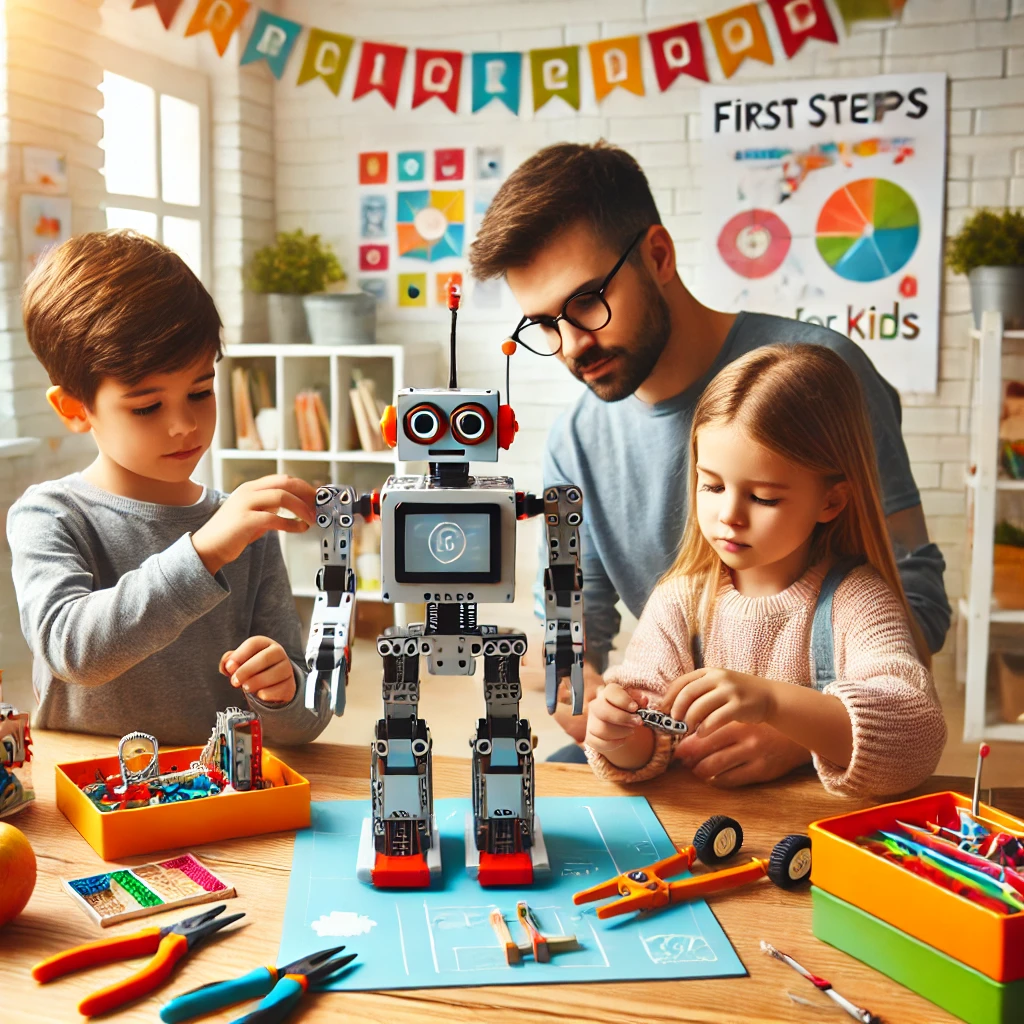
- Start with an introduction to basic robotics concepts, using age-appropriate language and examples.
- Encourage hands-on experimentation with simple robotics kits or household items to create a basic understanding of how things move and work.
- Introduce simple programming through visual block-based coding platforms that make learning to code as easy as snapping puzzle pieces together.
When kids take their first steps into robotics, they're not just learning how to put pieces together; they're learning to think like engineers. The initial foray should be all about exploration and fun. You might start with a story about a robot that needs to navigate through a space station, turning this narrative into a project where kids can build and code a solution.
Most importantly, this is a journey that should be free of frustration. That's why the right starting point is crucial. Look for classes that begin with the very basics and are age-appropriate. Remember, the goal is to ignite a spark, not to overwhelm.
Core Concepts Made Fun
Understanding the Basics: Sensors, Motors, and Coding
Let's dive into the nuts and bolts. At the heart of any robot are sensors and motors, guided by the brain of the operation—the code. Sensors act like the robot's senses, letting it interact with the world, while motors are the muscles that bring it to life. And coding? That's the set of instructions that tells the robot what to do with those senses and muscles.
Here's the cool part: kids get to be the boss. They decide what the robot will sense and how it will react. They can make a robot that responds to light, sound, or touch. With motors, they can create movement in any direction. And with coding, the possibilities are truly endless. But how do we make these concepts fun? Through projects!
Imagine your robot is on a secret mission to deliver a message. To succeed, it needs to navigate a maze without touching the walls. Kids will learn to use sensors to detect proximity and program the motors to turn and move forward. And when they watch their robot escape the maze? That's a victory dance moment.
Delving into Design: Building Your First Robot
- Start with a simple design that's easy to assemble and understand.
- Use materials that are readily available and safe for kids to handle.
- Guide them through the process with clear, step-by-step instructions, ensuring they understand the function of each part.
Building your first robot is a monumental step. It's where creativity meets functionality. You might start with something as simple as a cardboard box on wheels, but when you add a motor and some sensors, suddenly it's not just a box; it's a rover exploring distant planets.
Each part of the robot serves a purpose, and as kids piece them together, they're not just building; they're learning. They'll understand that the wheels need an axle, the motor requires power, and the sensors need to be placed where they can do their job. And once they press that 'on' button and their creation whirrs to life, the pride they feel is immeasurable.
Remember, the first robot doesn't have to be perfect. It's about the experience, the trial and error, and the joy of making something that works. And that's a lesson that will stick with them for life.
The Role of Simulations in Robotics Learning
Before kids can build robots that will roam their living rooms, they can practice in a risk-free virtual environment. Simulations are a game-changer in robotics education. They allow young learners to experiment with different robot designs and programming logic without the need for physical materials. It's like having an infinite supply of robot parts and an undo button for every mistake.
These virtual platforms are more than just play; they teach fundamental concepts such as physics and geometry. As kids adjust angles and speeds in their simulations, they're unknowingly getting a math lesson. And the instant feedback from the simulation means they can quickly learn from their mistakes and try again, which is critical for developing resilience and a growth mindset.
From Virtual to Reality: Physical Robot Construction
Once kids have mastered the virtual world, it's time to get their hands dirty. Transitioning from simulations to physical robot construction is a thrilling step. It's where abstract concepts become tangible, and the lines between the digital and physical worlds blur. Kids learn that what works in the simulation might need tweaking in the real world, and that's where true engineering skills come into play.
Building a physical robot involves dealing with unexpected challenges, like a motor that doesn't turn as anticipated or a sensor that's a bit too sensitive. It's these 'oops' moments that often lead to the most learning, as kids have to troubleshoot and problem-solve, which are invaluable skills in any area of life.
Robotics Classes for Kids Highlights: What to Expect
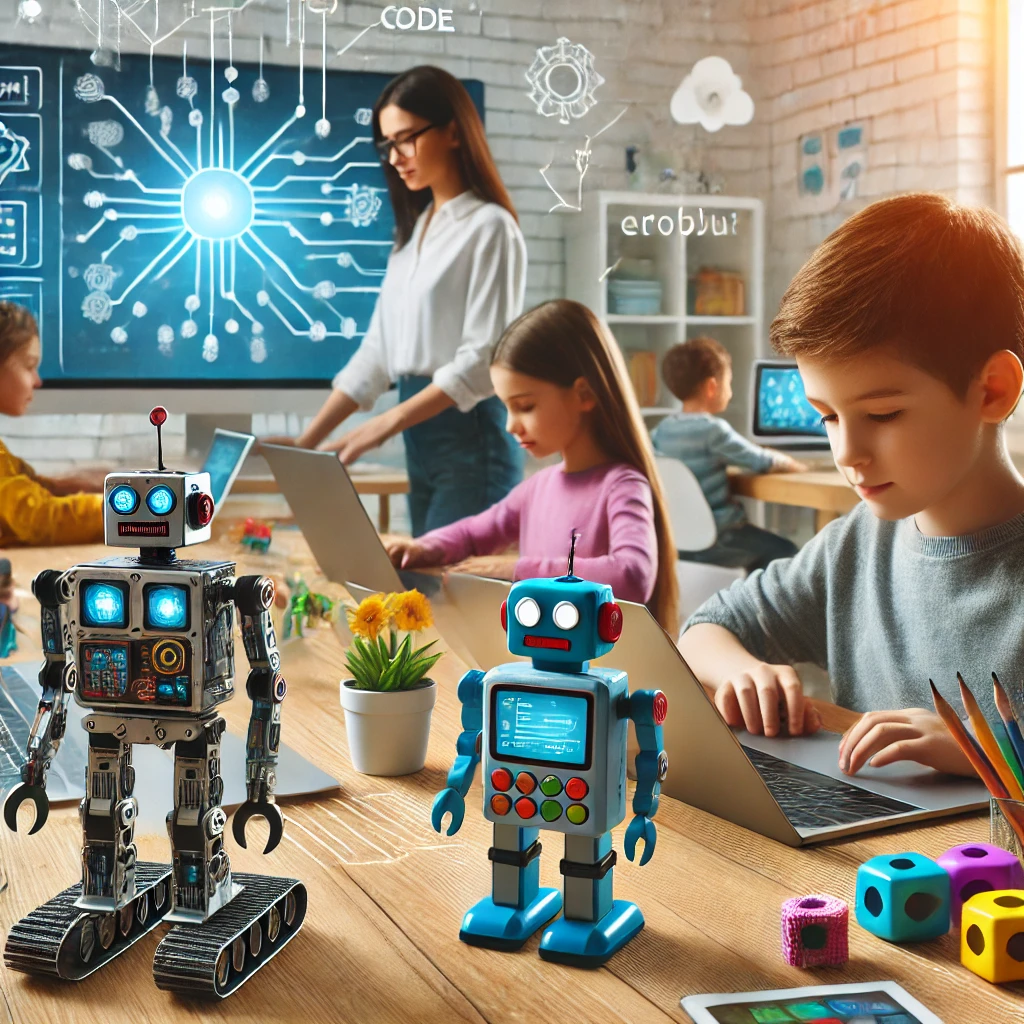
Robotics courses for kids are designed with their natural learning progression in mind. They start simple and gradually increase in complexity, ensuring that each new skill is built on a solid foundation. But what's most important is that these courses are packed with fun, engaging content that keeps kids excited to learn more.
From designing robots that can navigate obstacle courses to programming a robotic arm to move objects, the courses are structured to provide a variety of challenges that cater to different interests and learning styles. It's this diversity that helps keep all students engaged, whether they're future artists or engineers.
Course Structure: From Beginner to Pro
Beginner courses might start with the basics of block-based coding, where kids can drag and drop commands to control their robots. As they advance, they'll move on to more complex programming languages like Python or C++, which offer more control and complexity. By the end of a comprehensive course, students won't just be playing with toys; they'll have a deep understanding of what it takes to build and program a fully functional robot.
Project-Based Learning: Real-World Robotics Challenges
The best robotics classes for kids use project-based learning to keep things interesting. Instead of just learning theory, kids apply what they've learned to solve real-world problems. They might design a robot that can clean up a spill or one that can deliver supplies in a hospital. These projects help kids see the relevance of their learning and inspire them to think about how they can make a positive impact on the world.
Project-based learning isn't just about building robots; it's about building confidence. When kids see their creations come to life and accomplish tasks, it's a powerful moment that encourages them to tackle even more complex challenges.
Inside a Robotics Group Class: Features and Activities
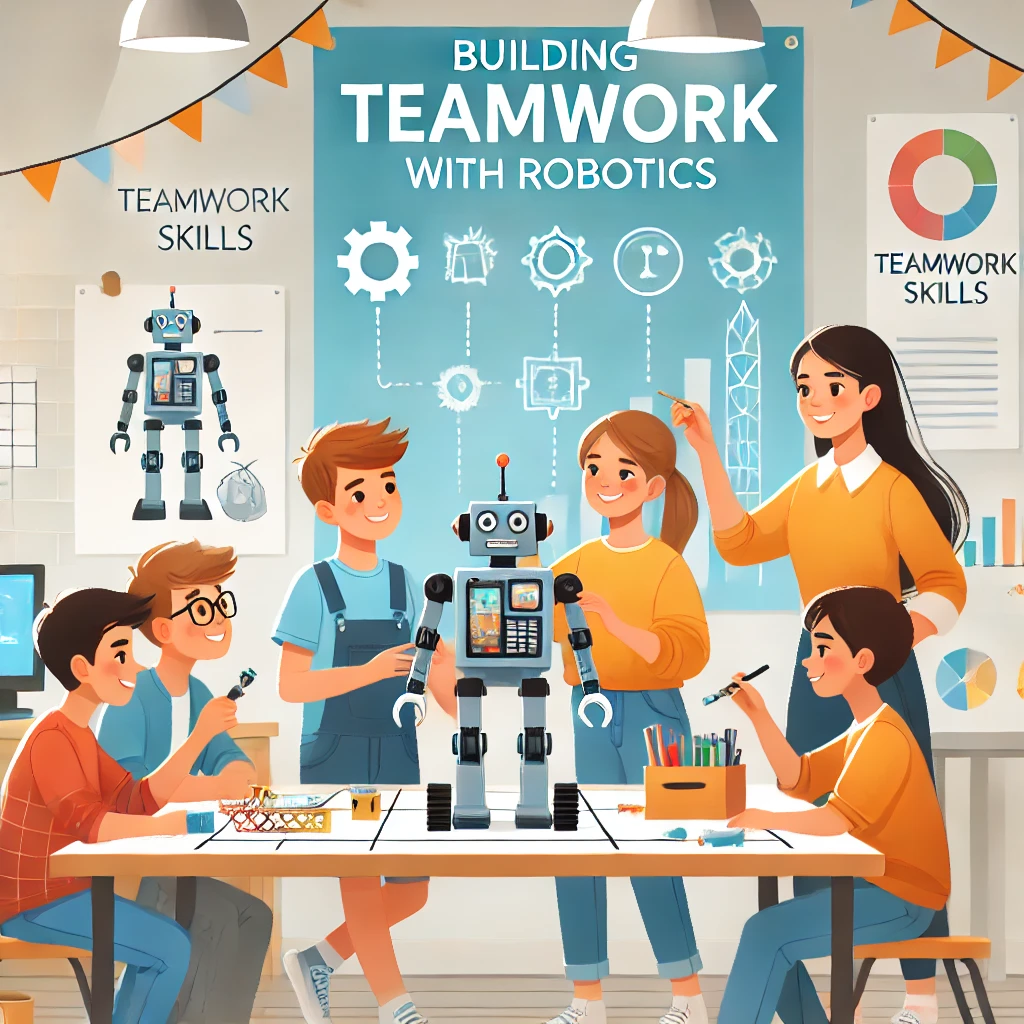
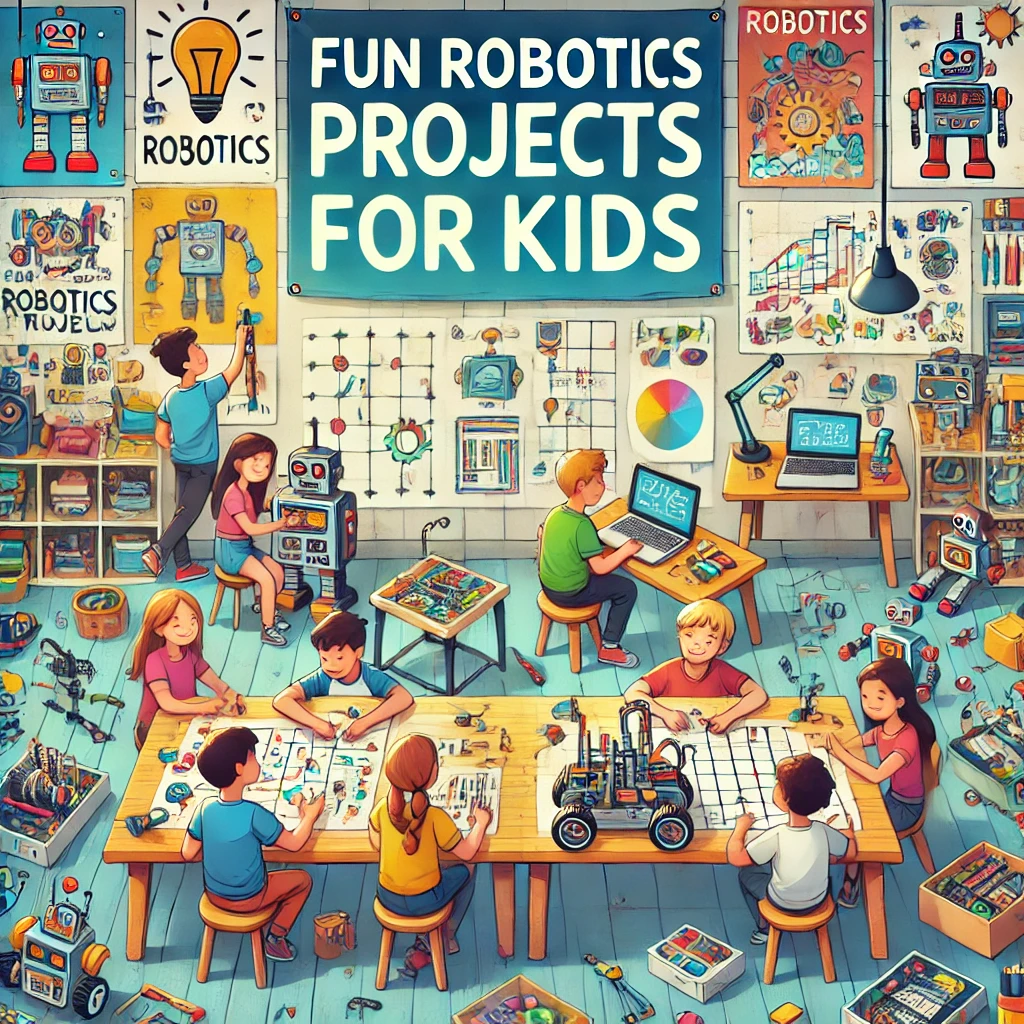
A typical robotics class is buzzing with energy and excitement. You'll find kids collaborating on designs, programming on their laptops, and testing their robots in makeshift arenas. It's a space where creativity and logic come together, and every student brings something unique to the table.
Collaborative Projects: Teamwork and Communication
One of the most valuable aspects of robotics classes is the emphasis on teamwork. Students often work in groups to build and program their robots, learning to communicate effectively and share ideas. This collaborative environment mimics the real world, where engineers and programmers work together to solve complex problems.
It's not just about the robot; it's about the team. Through these collaborative projects, kids learn that listening to others and valuing different perspectives can lead to a better, more innovative solution. And when their robot successfully completes a task, it's a win for the whole team.
Critical Thinking: Solving Puzzles with Robots
Robotics classes are full of challenges that require critical thinking. For example, a common activity is programming a robot to navigate a maze. To succeed, kids must break down the problem into smaller parts, testing and refining their code until the robot finds its way out.
This kind of problem-solving is a brain workout. It teaches kids to approach problems methodically, testing hypotheses and learning from the outcomes. And the best part? When they finally crack the code, the sense of accomplishment is unbeatable.
Parental Point of View
As a parent, you play a crucial role in your child's robotics journey. Your support and encouragement can make all the difference. But how do you choose the right course, and how can you help without being an expert in robotics yourself?
Choosing the right course for your child involves looking at the curriculum to ensure it matches their age and interests. It should offer a balance of instruction and hands-on activities, allowing kids to learn at their own pace. Also, consider the level of support provided—good courses offer resources for both kids and parents to make the learning experience as rewarding as possible.
Supporting your child's robotics journey means being there to celebrate their successes and help them through their frustrations. Encourage them to think critically and to see mistakes as learning opportunities. Your interest in their projects, even if it's just listening to them explain their latest robot design, can boost their confidence and motivation.
Frequently Asked Questions

What is the ideal age for kids to start learning robotics?
The world of robotics is accessible to children as young as 6 or 7 years old, primarily through visual programming and simple robotics kits. However, the ideal age might vary depending on the child's interest and cognitive abilities. Kids around 8 to 10 years old often have the patience and problem-solving skills needed to enjoy more in-depth robotics classes that involve both building and programming.
Do kids need prior coding experience for robotics classes?
No, kids don't necessarily need prior coding experience before jumping into robotics classes. Many introductory courses start with the basics and use visual, drag-and-drop coding interfaces that make it easy for children to grasp the concepts. As they progress, they can move on to text-based coding, which will be taught as part of the curriculum.
- Look for classes that cater to beginners if your child has no coding background.
- Ensure the course introduces coding in a fun and engaging way, suited to the child's learning pace.
- Advanced classes are available for kids with some coding experience, providing a more challenging curriculum.
How do robotics classes benefit a child's education and development?
Robotics classes offer a multidimensional learning experience that can profoundly impact a child's education and personal development. They foster problem-solving skills, encourage logical thinking, and promote creativity. Moreover, robotics can enhance a child's understanding of STEM subjects by providing a practical, hands-on application of math and science concepts. These skills are not only beneficial for academic success but are also highly valued in the workforce.
What kind of projects do kids work on in robotics classes?
In robotics classes, kids get to work on a variety of exciting projects that may include designing robots to perform specific tasks, like navigating mazes, picking up objects, or even participating in robot battles. Projects are often themed around real-world scenarios, such as space exploration or environmental monitoring, which helps to contextualize their learning and demonstrate the impact of robotics in the world.
Can robotics classes help my child with future career opportunities?
Absolutely. Robotics classes can be a stepping stone to a multitude of career paths in engineering, software development, artificial intelligence, and more. They help children develop technical skills and a mindset for innovation, which are critical in the rapidly evolving job market. Additionally, the teamwork and problem-solving skills acquired in robotics classes are transferable to virtually any career.
By participating in robotics classes, kids not only learn about technology but also about collaboration, perseverance, and thinking outside the box. These are the skills that will help them no matter where their future careers take them.
Introducing your child to robotics classes can be a transformative experience, offering them the opportunity to develop their problem-solving skills, ignite a passion for technology, and prepare for a future where technology will play a major role in every career field.